







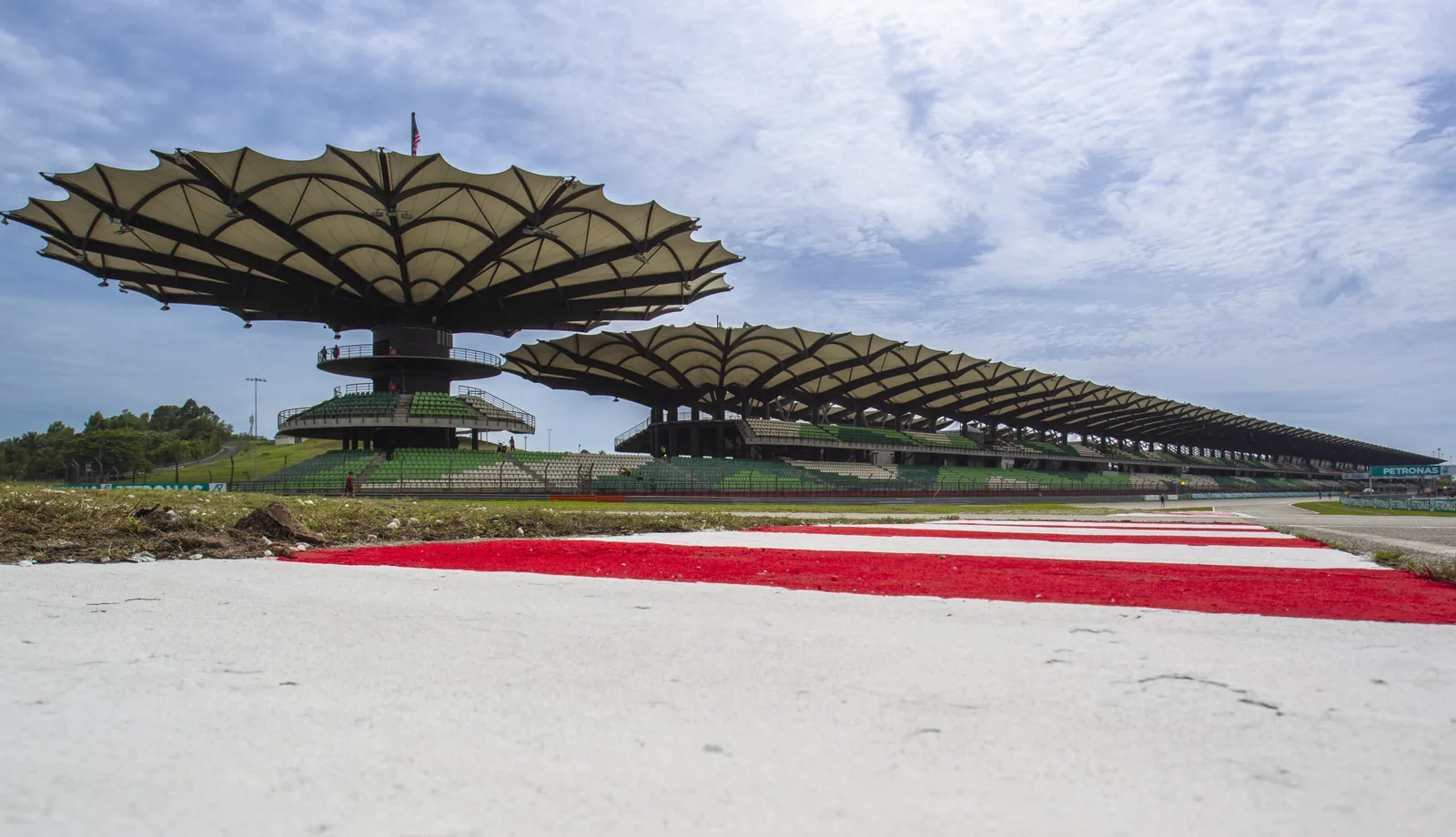
The Sepang International Circuit looks forward to its return to the F1 calendar but emphasizes that it hardly benefits financially from the replacement Grand Prix held in early October. According to CEO Azhan Shafriman Hanif, all revenue from ticket sales flows back to the Bahrain GP organization, which was relocated to Malaysia due to unrest in the Middle East.
The FIA announced in Hungary that the canceled Bahrain GP will still be held. However, the race will take place at the Sepang International Circuit in Malaysia during the first weekend of October. Between 1999 and 2017, the Asian country was already a regular on the F1 calendar. Officially, the event will still be called the Bahrain GP. Azhan emphasizes that Sepang also has no influence on, for example, ticket prices.
“All revenue from ticket sales goes back to Bahrain, so we do not have full control over certain matters,” he responded on Tuesday during a special press conference. “I will do my best to negotiate a special price for Malaysians. However, the final decision lies with Bahrain, as they pay the rights.” Sepang does share operational costs with the Bahrain GP organization, while the rights holder covers the costs of organizing Formula 1.
Read more Andrea Stella wanted to make a bet with Lando Norris: ‘Little confidence’
Economic impact
According to Azhan, operational costs, including circuit preparation, amount to about 13 million dollars. Still, he expects the return of Formula 1 to provide a much greater economic boost for Malaysia. “If we look at the big picture, we also have to consider the domino effect,” he explained. “According to reports from countries that host Formula 1, they can generate more than three times as much value.” Azhan therefore expects a significant economic impact for the country in the long term. “This means that the Grand Prix has the potential to generate more than one billion Malaysian ringgit (over 200 million euros, ed.).”
“In the past, we had to work hard to sell tickets,” the CEO admitted. Partly due to declining ticket sales, Sepang disappeared from the F1 calendar after 2017. “Nowadays, however, Formula 1 has built up a huge global fan base and created the fear of missing out. Since the announcement, we have received requests for sponsorship, festivals, and commercial activities. It is a luxury problem.” According to Azhan, a Formula 1 delegation has since inspected the circuit and confirmed that Sepang meets the requirements to host the Grand Prix. In the run-up to the race weekend in October, work will still be carried out on, among other things, the runoff areas and general infrastructure.
Read more Frustration oozes from sarcastic Isack Hadjar: ‘Really nice, such a step back’
Read everything about the Dutch GP in Zandvoort here