


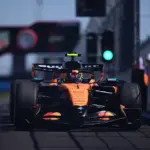

McLaren is following Ferrari and Red Bull and will finally use a rotating rear wing during the Italian GP. The team from Woking has already been extensively testing the aerodynamic innovation during recent Grands Prix, but has not yet deployed it during competitive sessions. McLaren calls the new rear wing the ‘H-Wing’, a nod to an earlier invention by the British racing team.
Read more More wing at Monza? The battery changes the game
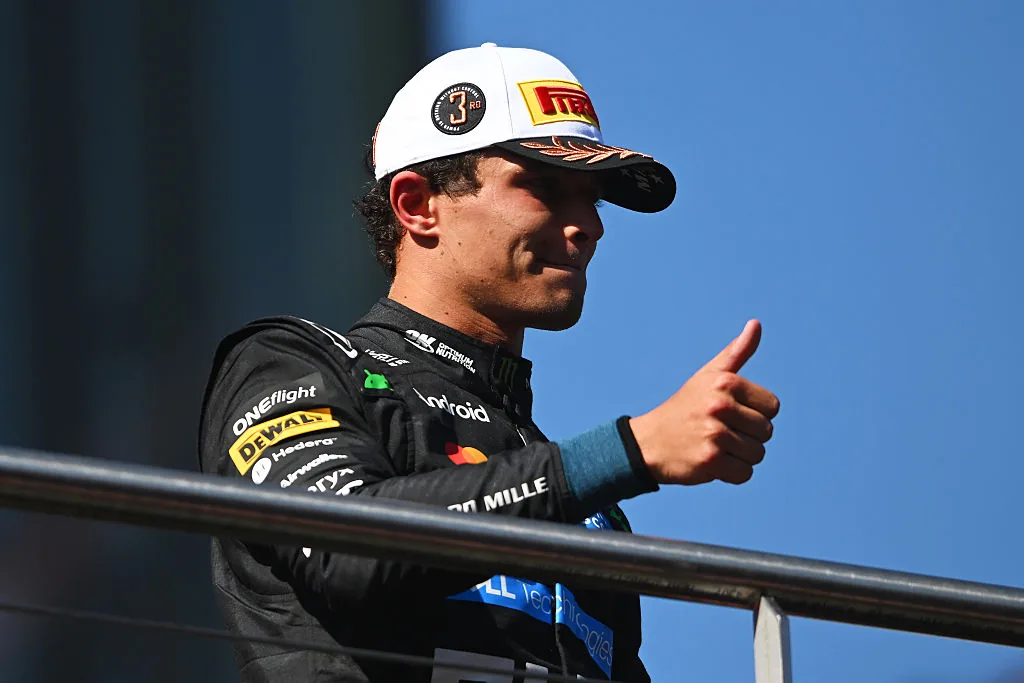
Ferrari already introduced a so-called ‘Macarena rear wing’ during the winter tests, a spoiler flap that rotates 180 degrees to allow more air through on the straights. Red Bull then came up with its own variant during the Miami GP. McLaren has tested this novelty during several weekends, but it is only in Monza that Lando Norris and Oscar Piastri will definitively use the so-called ‘H-Wing’.
“The naming of the ‘H-Wing’ is a tribute to McLaren’s innovative ‘F-duct’, which was introduced in 2010 and derives its name from the ‘F’ in the logo next to the air intake,” the team said in an official press release. The air intake was located next to the ‘F’ of sponsor Vodafone at the time and took its name from there. “In the same spirit, the H-Wing is named after the ‘H’ in the Etihad Airways sponsor branding, which is visible on the rear wing,” McLaren explained.
Read more ‘Max Verstappen eyes new GT3 adventure, IndyCar champion named as teammate’
(Text continues below image)


Specific approach for Monza
In addition to the new rear wing, McLaren is also bringing some ‘small aerodynamic updates’ to Italy. Chief engineer Neil Houldey emphasizes that Monza requires a specific approach. “The long straights emphasize reducing air resistance, while the heavy braking zones require stability and the chicanes good road holding,” he said. “The amount of energy will also be limited, so it is important to learn during the practice sessions how best to apply the available energy and where to recharge.”
According to Houldey, there is a chance that fans will see a lot of ‘yo-yo racing’ again in Monza. “Different approaches to capturing and using energy can create a yo-yo effect, where cars exchange advantages at different points in the lap,” he continued. “Nevertheless, the differences at the front remain extremely small, so the accuracy of our simulations prior to the event and the simulator work will be crucial to lay a strong foundation. Overall, we know there is still more pace to be extracted from the MCL40,” the Brit concluded. McLaren won the last two Grands Prix in Hungary and Zandvoort through Lando Norris, but will face plenty of resistance again in Monza from, among others, Ferrari and Mercedes.
Read more Argentine president fully commits to new Grand Prix: ‘We want to see Franco Colapinto’
Read everything about the Italian GP here