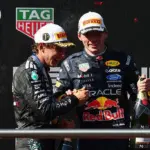

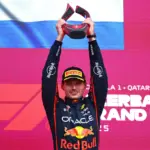

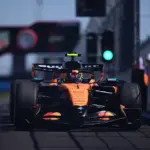

Those hoping for a spectacle in the last Dutch Grand Prix might consider a little rain dance. Otherwise, Sunday’s race could be less exciting than hoped. No worries: this final edition is special anyway because of the sentiment. But a stunt by Max Verstappen from seventh position, creating a fairy-tale orange-tinted farewell to F1, will require rain or something else unusual.
Read more Nina Gademan already ensures Dutch success, takes second F1 Academy podium at Zandvoort
1. What can Max Verstappen do from P7?
The dream farewell at Zandvoort would naturally be a victory for Max Verstappen. However, the Dutchman starts the currently last Dutch Grand Prix from seventh position, and based on pure speed, a win does not seem likely.
Verstappen is struggling again this weekend with his Red Bull. The car doesn’t feel right through almost the entire corner, which meant he couldn’t keep up with McLaren, Mercedes, and Ferrari in qualifying. Moreover, the sprint race showed how difficult it is to gain positions at Zandvoort.
Still, Verstappen is by no means hopeless. His starting position will likely force him into an aggressive approach, where the start will be crucial. If he can gain one or two places in the opening lap, he can join the front group. After that, strategy, a well-timed pit stop, and possible weather changes can help him move further forward.
Verstappen is especially a driver who can strike when a race becomes chaotic. A win from P7 is almost unthinkable. Even a podium is already difficult. The only remedy for the somewhat ill Verstappen: rain.
2. Rain and wind remain lurking
The weather on the Zandvoort coast has been changeable and unpredictable all weekend. Periods of sun alternate with short, heavy showers. Due to the strong wind from the North Sea, conditions can change quickly.
The threat of rain also played a role during the sprint race. In the final phase, the chance of precipitation increased rapidly, and just as the cars crossed the finish line, it started raining heavily. For Sunday, the highest chance of showers is expected in the morning, but a shower during the race cannot be ruled out.
That could completely change the dynamics. Teams will then have to decide whether to keep their drivers out on slicks or switch early to intermediates. Especially for Verstappen, variable weather could be an opportunity to make up his deficit.
But even if it stays dry, the wind is an important factor. Gusts can suddenly disrupt the car’s balance, especially in the fast corners. The penultimate corner will be a key point. Drivers need to stay close behind their predecessor there to launch an attack on the straight, but at the same time risk being unsettled by a gust of wind.
3. Norris versus the Mercedes duo
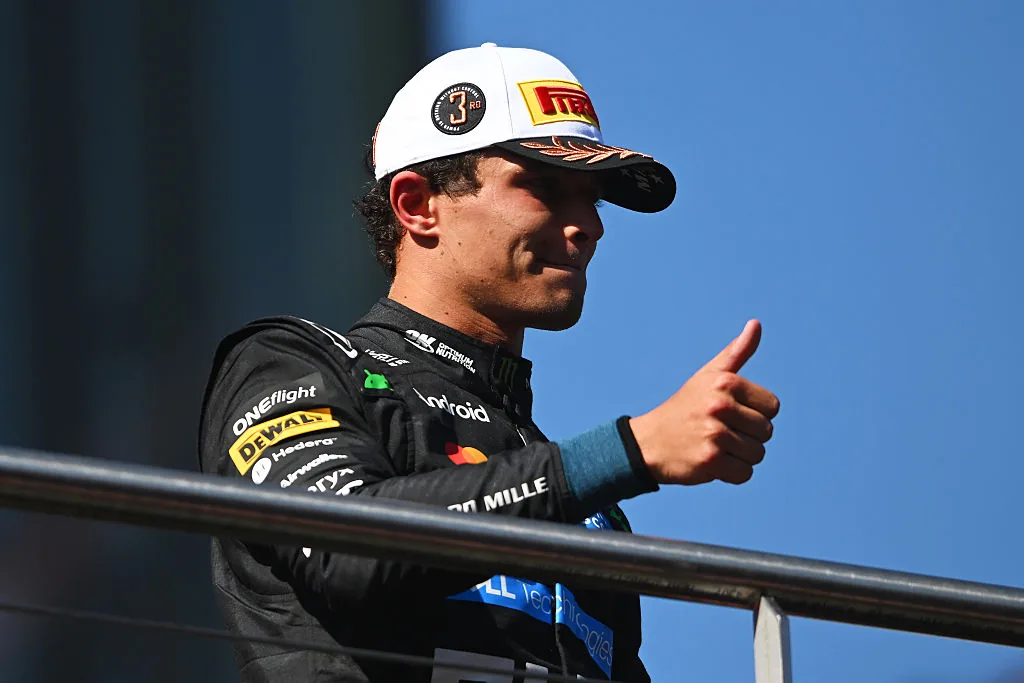
At the front, Lando Norris holds the best cards. The McLaren driver secured pole position by beating George Russell, and the reigning world champion can win for the second Grand Prix in a row. In Hungary, Norris already converted his pole into a convincing victory before the summer break.
Read more Jan Lammers thanks Oranje fans in open letter: ‘You made the Dutch GP special’
McLaren has already introduced an upgrade and seems to have become more competitive on various types of circuits. The car is especially strong in fast corners. However, Norris expects to benefit less from that advantage during the race. Driving on the limit for a long time can wear out his tires.
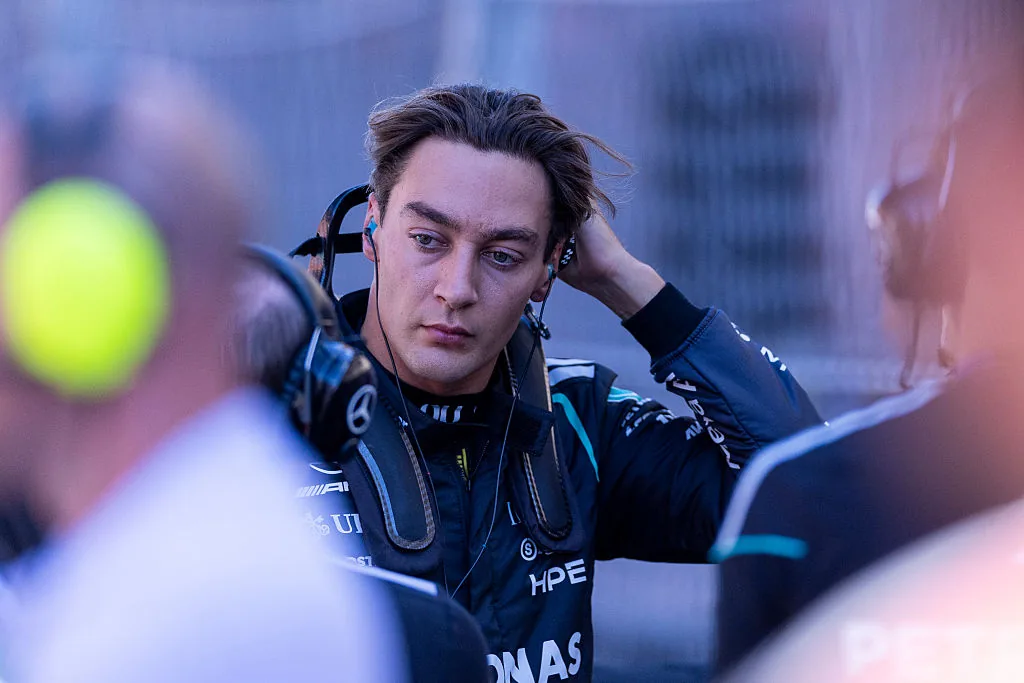
That offers opportunities for Mercedes. Russell starts alongside Norris from second place, while Antonelli starts third. Mercedes therefore has two cars directly behind the polesitter and can try to apply strategic pressure on McLaren.
Additionally, the internal battle between Russell and Antonelli plays a role. Russell gained three points on his teammate during the sprint race, who leads the championship. On Sunday, significantly more points are at stake. Both Mercedes drivers will therefore not only watch Norris but also each other.
4. Start and strategy will be decisive
The sprint race made clear that overtaking at Zandvoort is particularly difficult. The current cars are large, and the track is narrow, while the many fast corners make it hard to stay close behind an opponent for long.
This makes track position more important than at many other circuits. The start can therefore immediately become a decisive moment. Drivers know that every gained or lost place can have major consequences for the rest of their afternoon. Aggressive action in the opening lap is therefore expected.
When overtaking on track is hardly possible, attention automatically shifts to the pit lane. An early stop to gain a position via an undercut can be attractive but also carries risks. Tire management, traffic after the stop, and possible neutralizations can determine the strategy. A safety car or sudden rain shower can completely turn the race upside down.
5. Lawson and Tsunoda get a chance for points
Red Bull attracted attention before the weekend not only with Verstappen’s new contract. Isack Hadjar’s wrist injury also caused changes in the lineup. Liam Lawson stepped in as a replacement, while Yuki Tsunoda returned to Racing Bulls in his role as reserve driver.
Due to the sprint format, both drivers had only one free practice session to prepare for the rest of the weekend. Red Bull and Racing Bulls therefore tempered expectations beforehand. The sprint qualifying, sprint race, and regular qualifying were also seen as preparation for the Grand Prix for Lawson and Tsunoda.
Lawson secured an excellent starting position with eighth place. He starts directly behind Verstappen and can score valuable points for Red Bull with a good race. For Tsunoda, starting from twelfth place makes that a bit more difficult, although points are still within reach for him.
Read more Kimi Antonelli accepts grid penalty during Italian GP: ‘Must think about the title’
Read everything about the Dutch GP in Zandvoort here