







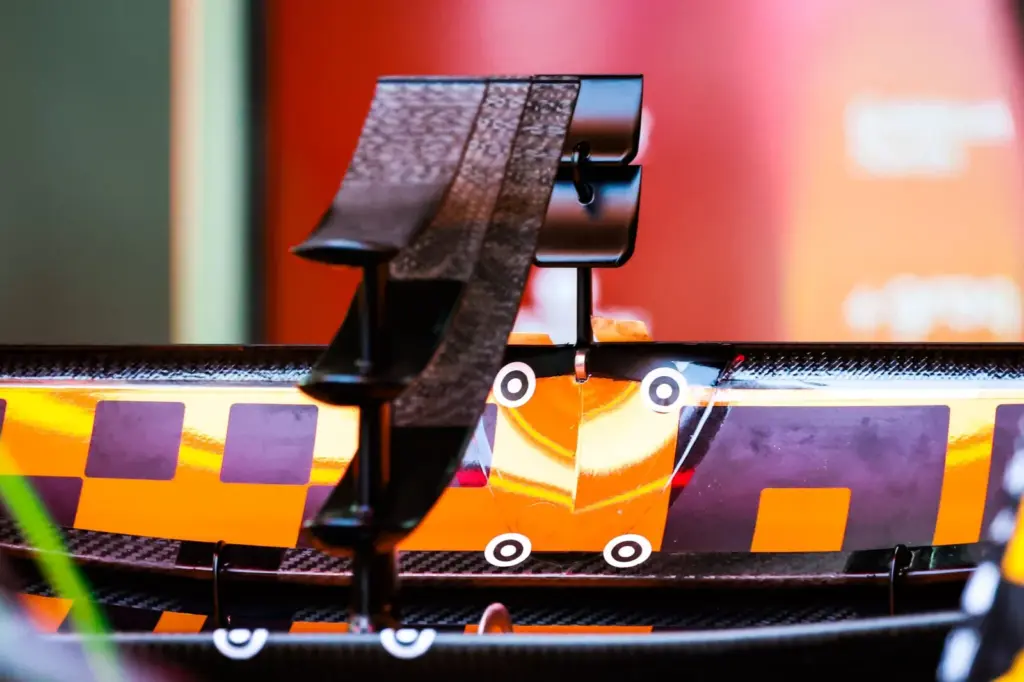
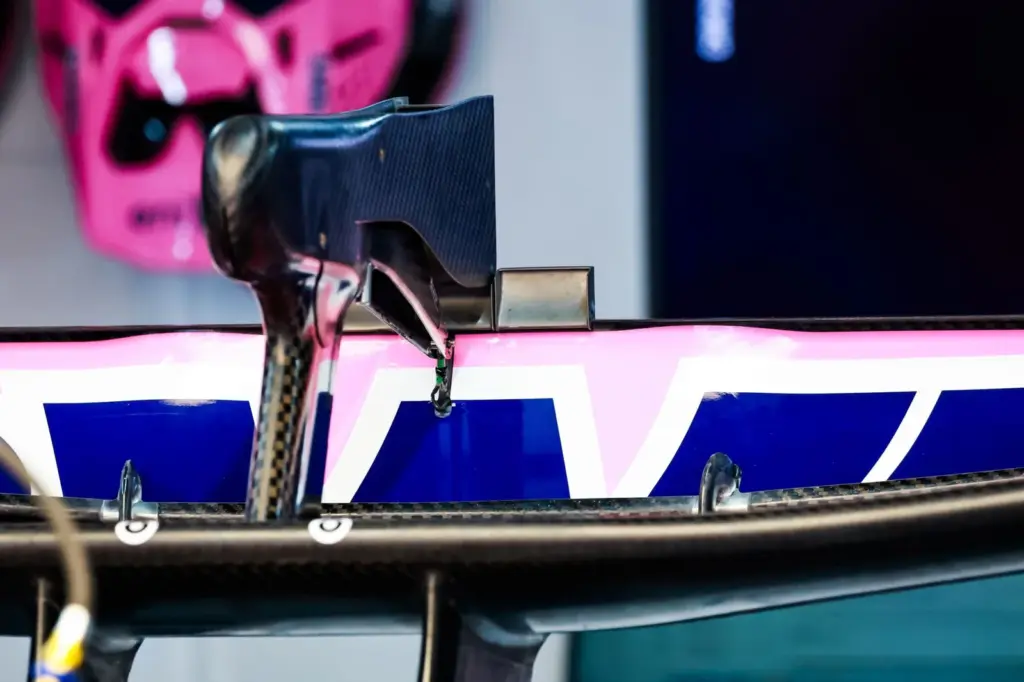
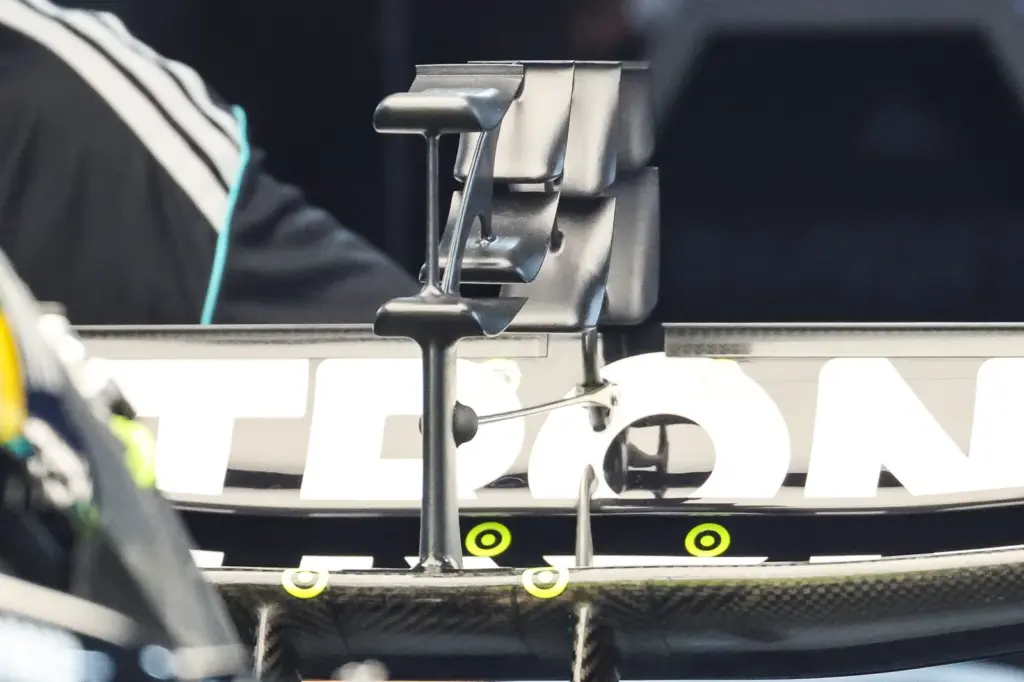
This weekend, Max Verstappen and co. will be at the start of the Monaco GP. It’s the first time that 2026 cars are introduced to the streets of the principality. Remarkably, the organization has chosen not to designate any Straight Mode zones. This means the FIA has excluded the use of active aerodynamics. On Thursday, it became clear that F1 teams have revised the systems around the wings for Monaco. A selection of the bizarre solutions.
Read more GP Las Vegas remains a fixture on the F1 calendar, set until 2037
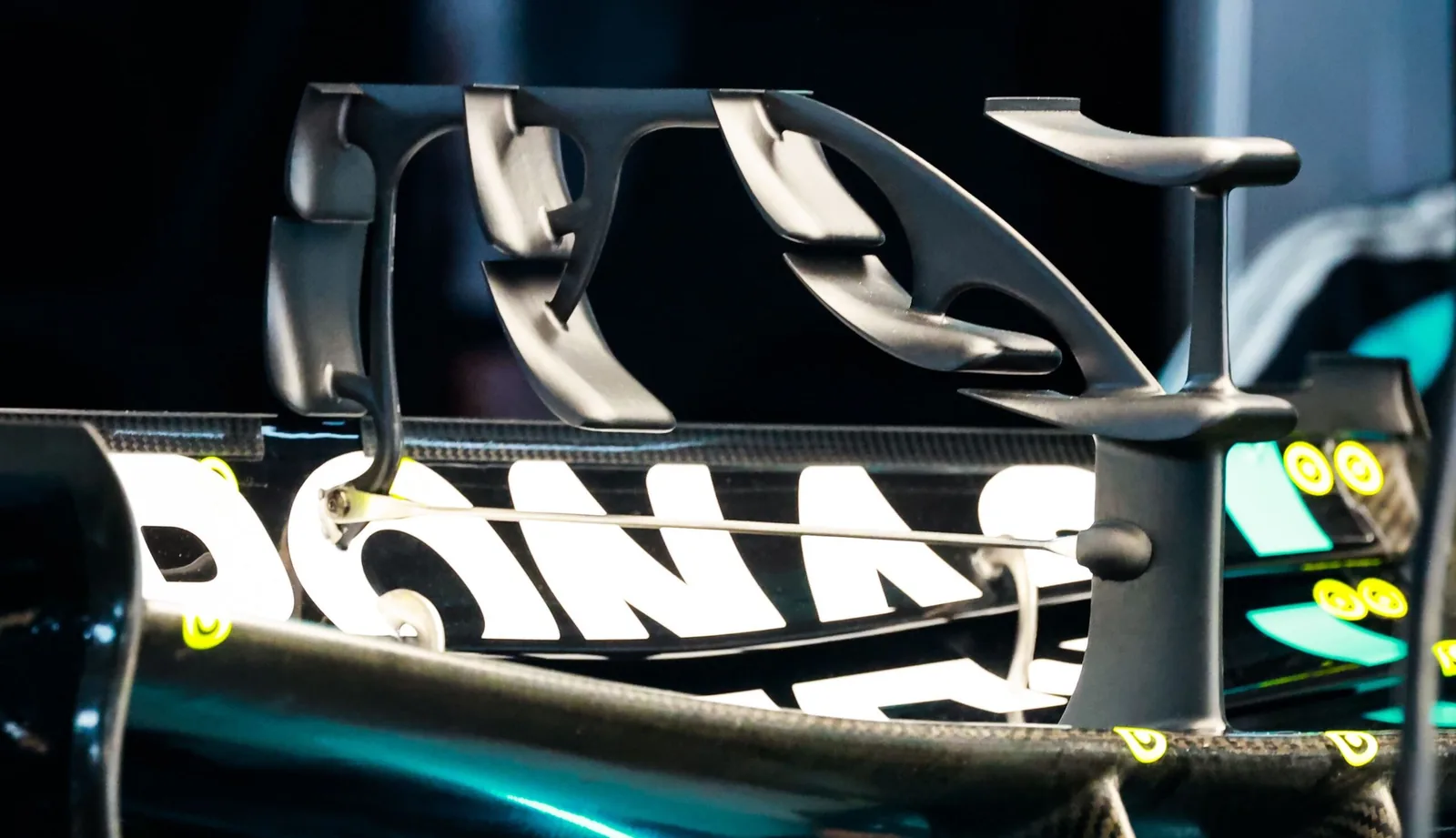
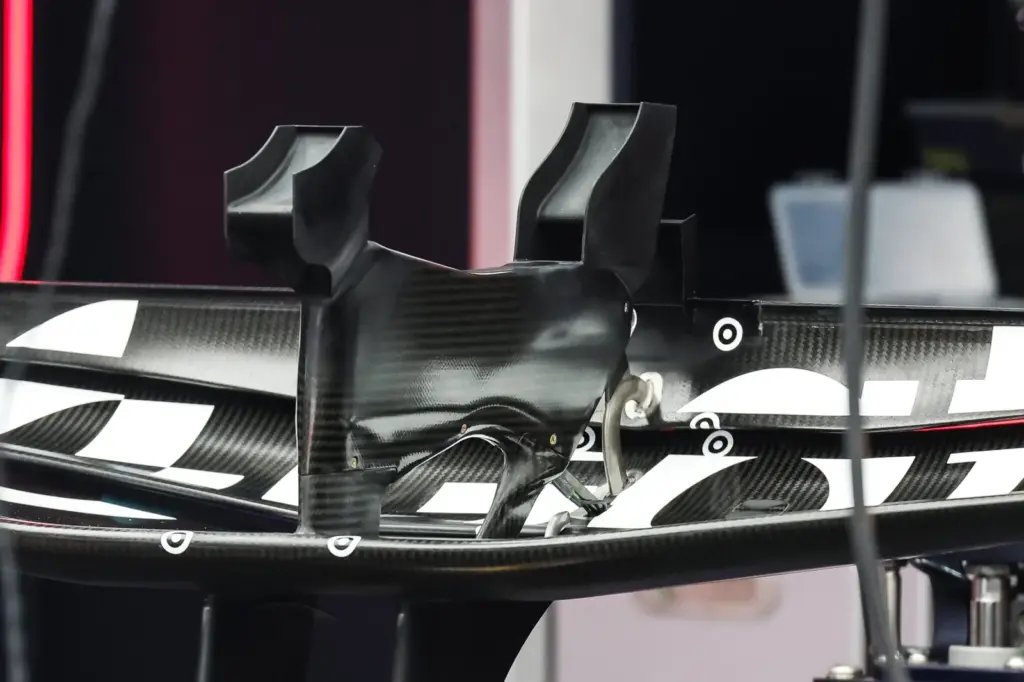
Among others, Mercedes and Red Bull have opted for a series of striking mini-spoilers on top of the central actuator of the rear wing. The technical regulations stipulate that bodywork parts must fit within specific volumes above the actuator housing. It should be clear: despite the disappearance of active aerodynamics in Monaco, teams are still looking for ways to find extra performance. Maximum downforce is crucial on the narrow street circuit.
Creative solutions
McLaren has also found an alternative approach, while Cadillac has even completely removed the actuator housing. Clear adjustments can also be seen at Racing Bulls and Alpine. This underlines how teams try to exploit every regulation down to the millimeter for marginal gains. Especially in Monaco, where air resistance plays hardly any role due to the absence of long straights, maximum grip is essential.
Read more McLaren celebrates 1000 GPs in Monaco, special honor for Norris
The so-called Straight Mode, which will replace the old DRS system in 2026, allows wings to move to reduce air resistance, but only in specific zones on straight sections. Drivers lose a significant amount of downforce, making the cars more unstable. On the short straights of Monaco, where the track often has a slight curve, this can lead to dangerous situations. Therefore, Straight Mode is absent during ‘the crown jewel’.
Read more Verstappen can wave to those back home in Monaco
Read everything about the Monaco GP here