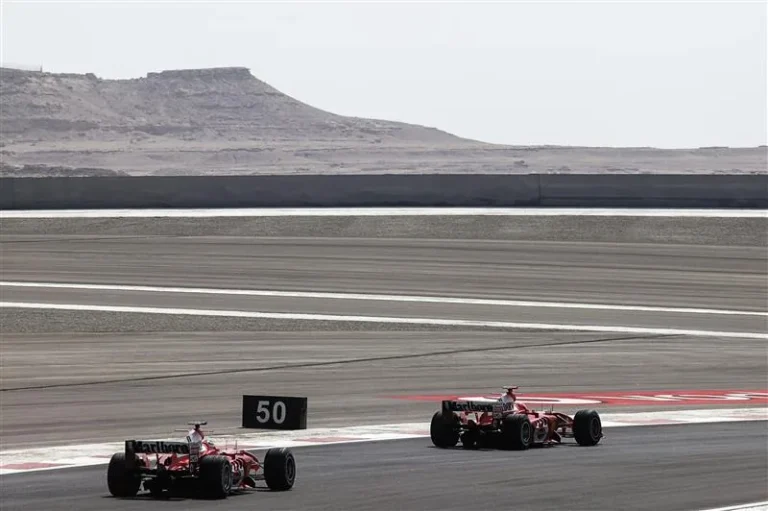








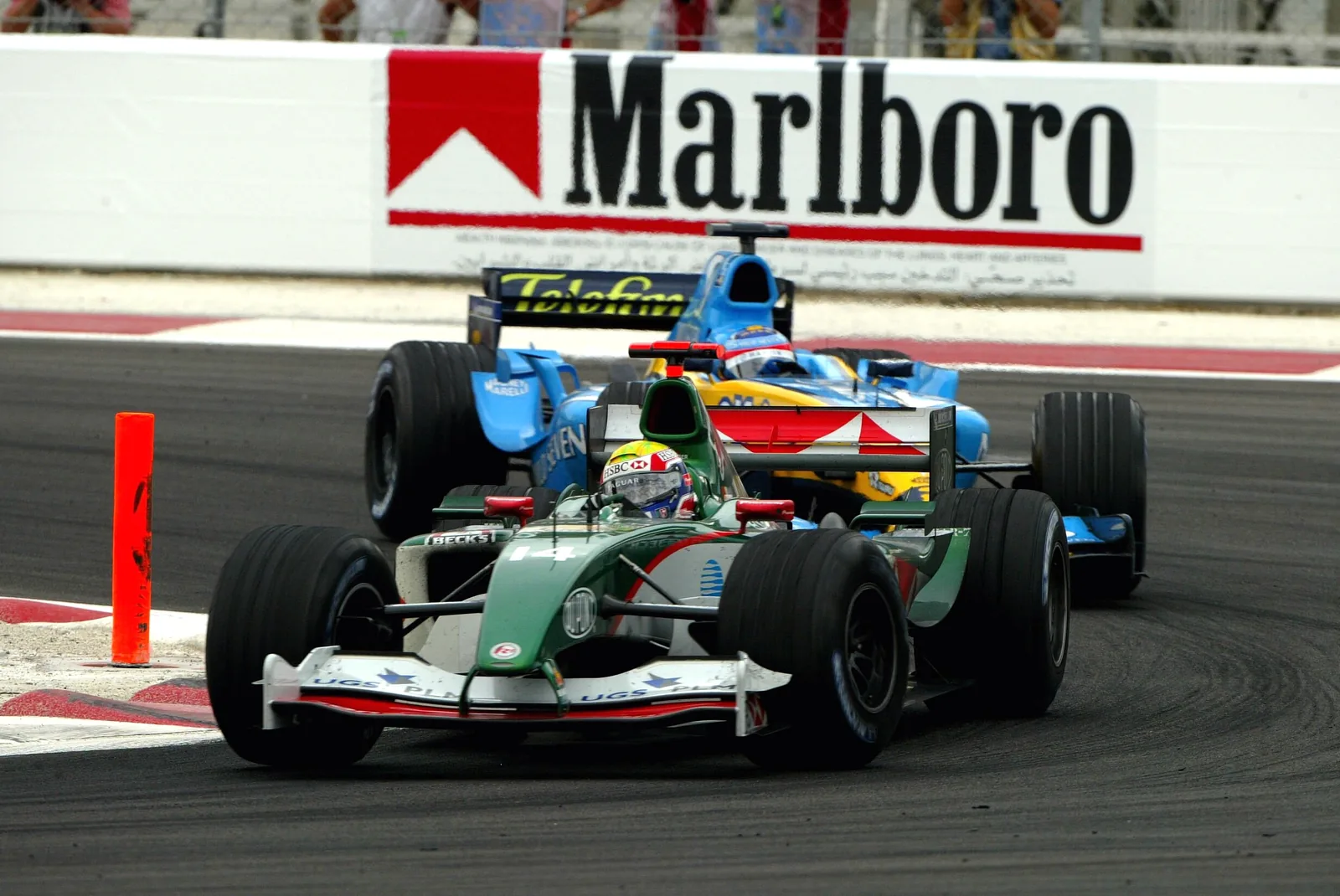
On April 4, 2004, Formula 1 made history with the very first Bahrain Grand Prix. Exactly 22 years ago, it was the first time a race was held in the Middle East. Because the 2026 Bahrain Grand Prix is not going ahead due to tensions in the region, this is the perfect moment to look back at that very first race.
Read more Richard Verschoor to make 24 Hours of Le Mans debut
The Bahrain International Circuit opened in 2004 and was designed by Hermann Tilke. Bahrain thus became the first country in the Middle East to host a Formula 1 race. In the early years, racing took place during the day, but since 2014 it has been a night race. This ensures lower temperatures and less physical strain on the drivers. Over the years, various layouts have been used. For example, the longer ‘Endurance circuit’ was used in 2010, and the circuit received a different configuration in 2020.
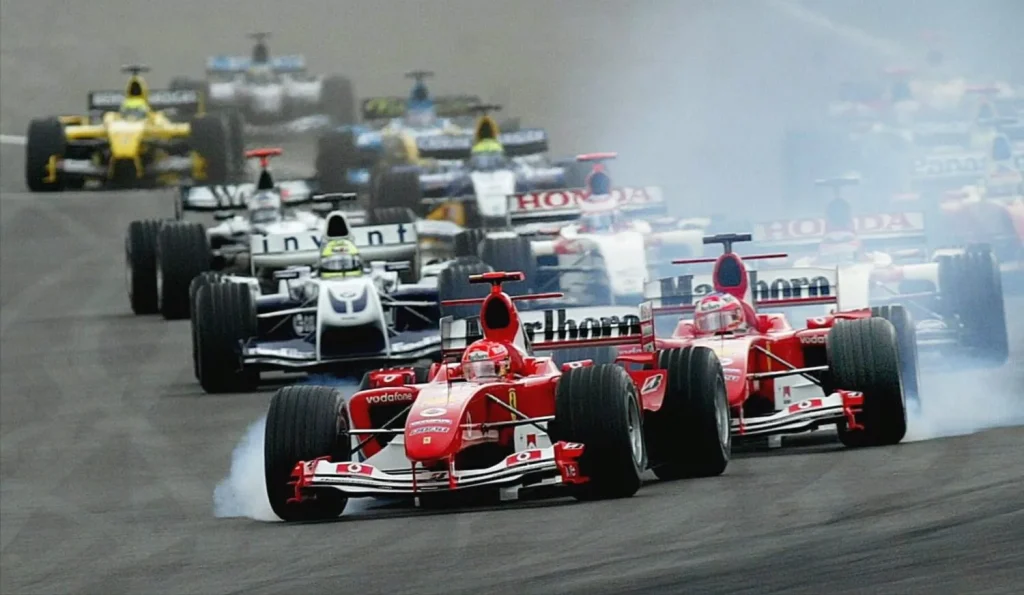
The start of the 2004 Bahrain Grand Prix
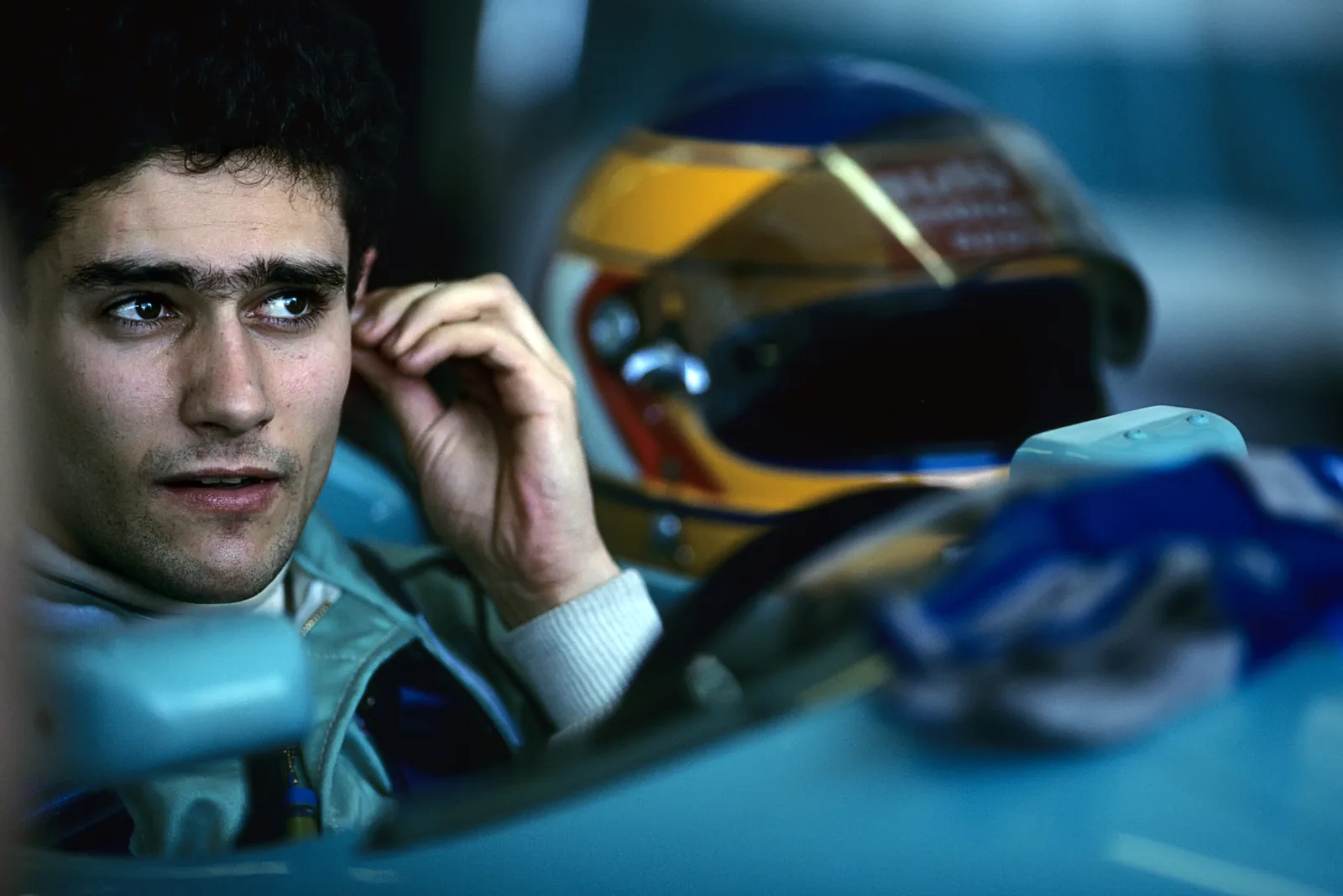
Michael Schumacher started the race from pole position, just as in the two previous races that season. Even before the start, Gianmaria Bruni’s Minardi failed to move and was pushed back to the pit lane. The V10 engines made themselves heard at the start, and Schumacher held the lead despite briefly locking his brakes, staying ahead of teammate Rubens Barrichello. The German immediately managed to open up a gap to the field behind him.

Battles in the midfield
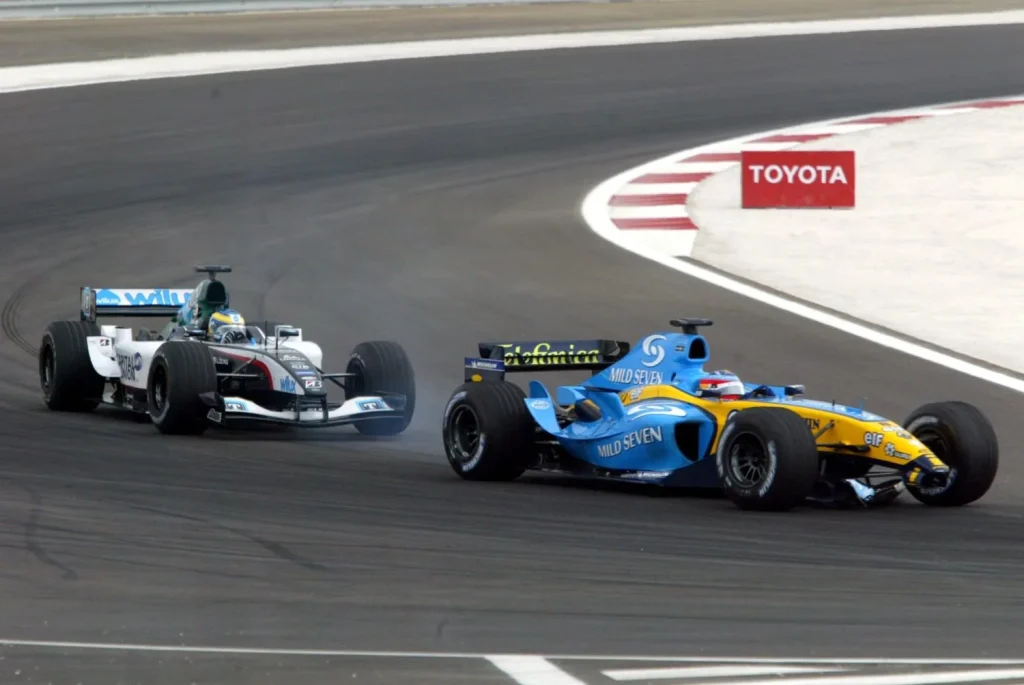
Behind Schumacher’s dominant Ferrari, the spectacle mainly took place in the midfield. David Coulthard tried to put pressure on Mark Webber but couldn’t get past. Fernando Alonso suffered damage to his front wing and lost places due to a pit stop. Kimi Räikkönen had a strong start and gained several positions but later locked up in battles for places. In the first corner combination, Ralf Schumacher and Takuma Sato touched. After light contact, the younger Schumacher ended up in the gravel, although he was able to continue. Battles continued further into the race. Alonso eventually managed to overtake Felipe Massa, after which Ralf Schumacher also passed the Brazilian. In a duel with Mark Webber, Alonso later showed his dissatisfaction with the Australian’s driving style by raising a hand.
Read more Competition: How well do you know F1’s rivals?

Difficult weekend for McLaren Mercedes
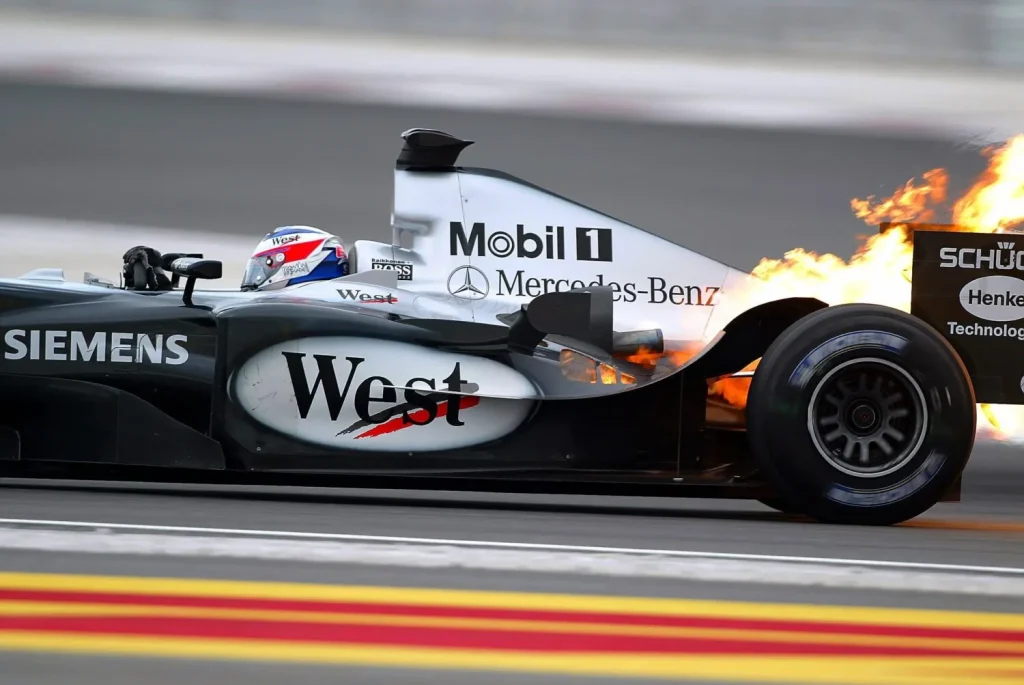
For McLaren Mercedes, this race was one to forget quickly. A total of three Mercedes power units failed during the Bahrain weekend. Räikkönen’s McLaren exploded during the race, with flames and smoke coming from the back of his car. David Coulthard also ran into trouble. He drove his McLaren into the pit lane with an engine losing power but left again without permission from the pit crew. Eventually, he had to stop his car at the pit lane exit. In 2004, the Mercedes engine was known for not being very reliable. With higher temperatures and more load, the engine had a harder time.

The podium
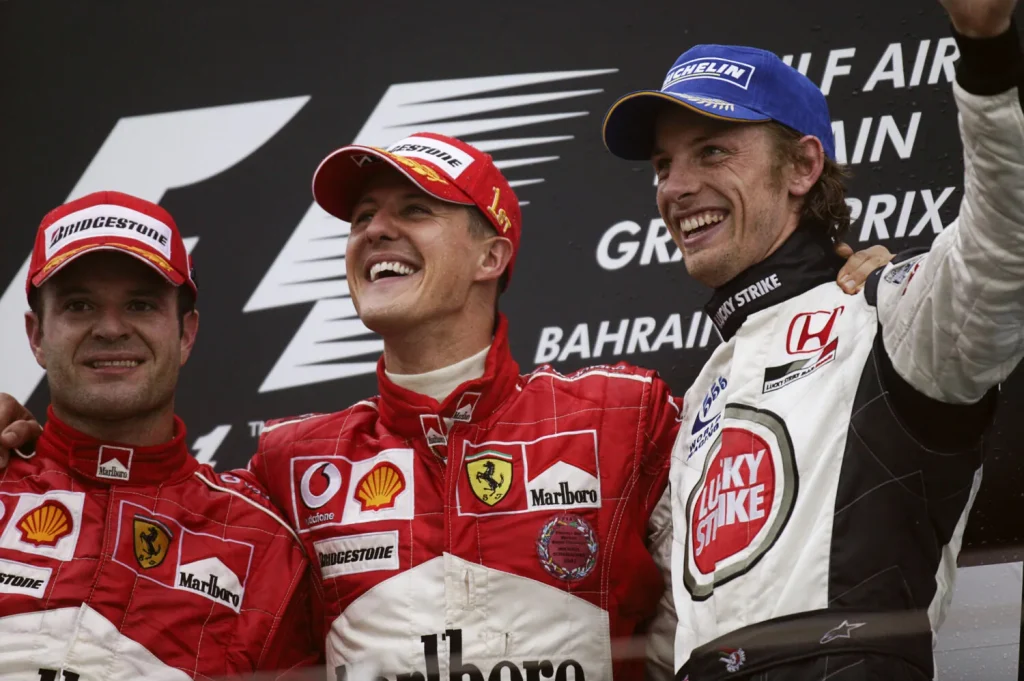
Michael Schumacher controlled the race and drove to his third consecutive victory of 2004 without competition. Teammate Rubens Barrichello completed the success with a second place, meaning a one-two for Ferrari. Jenson Button took third place and was on the podium again for BAR-Honda. After his first podium in Malaysia the race before, he confirmed the team’s strong form.

First impressions of the circuit
Bahrain was unknown territory for many drivers. The modern circuit and facilities impressed but also brought new challenges. Desert sand, in particular, played a role. It could blow onto the track and caused varying grip levels. Additionally, the new, abrasive asphalt and high temperatures led to significant tire wear. Teams therefore had to have their strategy in order. The circuit itself was positively received. The combination of long straights and technical corners offered overtaking opportunities and provided a first introduction to racing in the desert.
Read more Laurent Mekies admires Verstappen’s discipline: ‘Unbeatable in everything’